


Stay Healthy: Your Guide to Immunizations and Vaccines
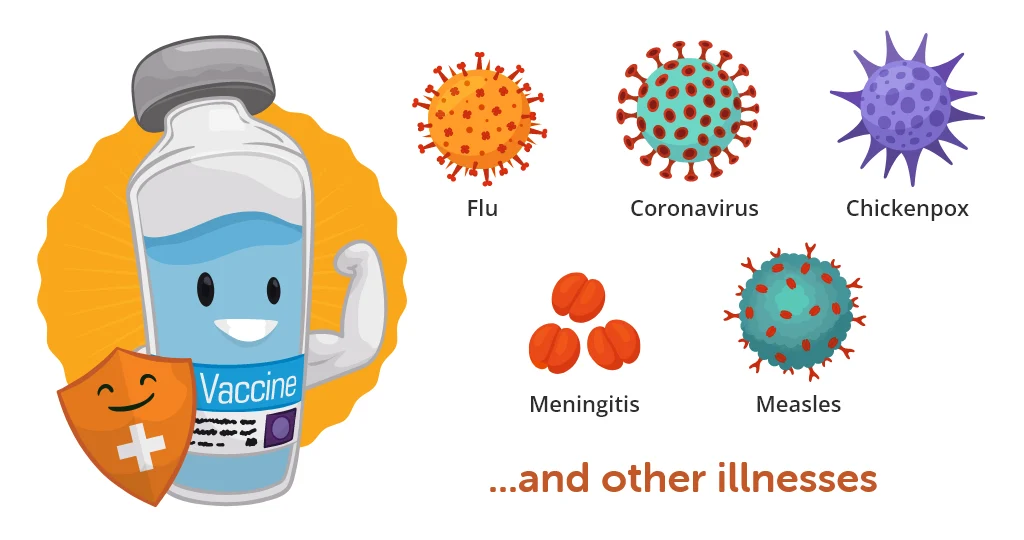
Vaccines are shots that teach your body’s immune system how to fight off germs and infections. This process is called immunization, and it protects you from serious illnesses.
So, vaccination = the shot and immunization = the protection your body builds after you get the shot.
Recommended vaccines vary by age. CHPW Apple Health (Medicaid) covers vaccines at no cost to you when you receive them from an in-network provider. Most other insurance plans also cover vaccinations; check with your plan for details.
Make sure you and your family keep up with the shots you need throughout life. By staying up to date, you’re also helping to protect the people around you—especially neighbors and loved ones who may be more vulnerable to getting sick.
On this page |

Vaccine schedules
Below is a list of the most common recommended vaccines by age group and the diseases they protect against.
This information is based on the official recommendations of Washington State health officials and national medical groups like the American Academy of Pediatrics and the American Academy of Family Physicians.
This list is a general guide. Your doctor may recommend a different schedule based on your personal health history.
Baby (Newborn – 24 months)
Babies get several vaccines during their first two years to help protect them while their immune systems are still developing.
- Hepatitis B: Protects the liver from a serious, lifelong infection.
- DTaP: Protects against diphtheria, tetanus (lockjaw), and pertussis (whooping cough), which are infections that can block breathing, cause severe muscle spasms, and trigger strong coughing fits.
- Polio (IPV): Prevents a virus that can damage nerves and cause paralysis.
- MMR: Protects against measles, mumps, and rubella (German measles) which are highly contagious viral infections that can lead to serious health problems.
- Chickenpox (Varicella): Prevents a painful, itchy rash and potential skin infections.
- Hib (Haemophilus influenzae type b): Protects against serious infections like meningitis (brain swelling).
- RSV (respiratory syncytial virus): Protects against a virus that can cause serious breathing problems. Babies are protected if their mother got the RSV vaccine during pregnancy. If not, babies under 8 months can get a “preventive antibody shot” (nirsevimab) to keep them safe. Check with your doctor if you’re pregnant or have recently had a baby.
- Hepatitis A: Protects against a serious liver disease.
- Pneumococcal conjugate: Protects against bacteria that can cause ear infections, pneumonia, and blood infections.
- Rotavirus: Given as drops in the mouth. Protects against a virus that causes severe, watery diarrhea, vomiting, and fever, which can lead to serious dehydration.
Child (2–12 years)
This group usually needs “booster” shots to keep their protection strong.
In Washington State, you must have proof that your child is up to date on specific vaccines (like MMR, Polio, and DTaP) before they can start school or childcare.
- Ages 4–6: DTaP, Polio, MMR, Chickenpox boosters to keep protection strong.
- Ages 11–12:
- Tdap: A booster to protect against tetanus and whooping cough.
- HPV (human papillomavirus): Protects against certain types of cancer later in life.
- Meningococcal: Protects against serious infections of the brain and blood.
Teen (13–19 years)
Teens need a few additional shots to stay protected through high school and college.
- Age 16: A second dose of the meningococcal vaccine to protect against serious infections of the brain and blood.
- MenB (Meningococcal B): Sometimes recommended for older teens depending on risk, to protect against a specific type of meningitis (brain swelling).
Adult (20 and older)
Adults still need several vaccines to stay healthy and help protect the people around them.
- Tetanus (Td or Tdap): Booster every 10 years to protect against “lockjaw” from cuts or scrapes.
- Shingles: Recommended for adults age 50 and older to protect against a painful, blistering rash and long-term nerve pain. (Two doses required).
- Pneumonia: Recommended for older adults or people with certain health risks to protect against serious lung, blood, and brain infections.
- Hepatitis B: Protects the liver; recommended for adults 19–59, and 60+ with specific risk factors.
- RSV (respiratory syncytial virus): One-time dose recommended for all adults 75 and older and for adults 50-74 who are at increased risk for severe RSV, to protect against severe lung infections.
Yearly vaccines for everyone
Some vaccines are needed every year because the germs keep changing, and your protection fades over time.
- Flu Shot: Recommended for everyone 6 months and older.
- COVID-19: Updated shots are recommended for everyone 6 months and older to stay protected against new versions of the virus.
Sources: Washington State Department of Health, West Coast Health Alliance, American Academy of Pediatrics, American Academy of Family Physicians, Centers for Disease Control and Prevention
How to get your shots
Getting your shots is simple. Remember to bring your CHPW Member ID card and your shot record, if you have one, to your appointment.
Tip: In Washington State, you can access your official immunization records online through MyIR Mobile. Register for an account if you don’t have one.

Visit your doctor or clinic: Ask them which shots you or your child need. You can usually get the shots during your annual checkup or a child’s well visit.
Some Community Health Center clinics have evening or weekend hours to fit your busy schedule.

Go to a local pharmacy: Many pharmacies in Washington State can give common vaccines (including flu, COVID-19, shingles) to adults and older kids.
Need help scheduling? Call CHPW Customer Service at 1-800-440-1561 (TTY: 711), Monday through Friday, 8 a.m. – 5 p.m. You can also use our Find a Doctor tool to find a provider or pharmacy in our network.

How much does it cost?
Recommended vaccines are part of preventive care. Most insurance plans, including Apple Health, cover them at $0 cost when they are received from in-network providers.

Tips to make vaccines a little easier for everyone
-
Combine getting shots with your regular physical exams. You can usually get your recommended vaccines during your annual checkup or scheduled well-child visits.
 Bonus: CHPW Apple Health members can earn a $20 gift card through CHPW’s Well-Child Reward Program each time their child completes a well-child visit. (Members can receive up to $200 in total rewards per calendar year.)
 -
Stay calm when it’s time for your shot. Some people, especially children, feel a little anxious or scared about getting poked with a needle. But getting a shot only lasts a few seconds—and the “pinch” is over before you know it.
Take a few deep breaths, think of something calming, or hold someone’s hand. Staying relaxed makes the whole process easier.
If the vaccine is for your child, staying calm yourself can help your child feel more relaxed too.
-
Keep a record. Write down the names of each vaccine and the dates they were given. If the vaccine was for your child, include their age at the time.
If you’re not sure whether you or your child has had all the recommended shots, bring your immunization record, if you have one, to your next doctor’s visit.
You can also sign up for MyIR Mobile to view and print your family’s vaccine records.
-
Try to schedule vaccinations together. When possible, consider scheduling appointments for the whole family at once to save time. You can even get more than one vaccine during the same visit, like the yearly flu shot and COVID-19 vaccine.
-
Talk to your doctor. If you have questions or concerns about specific shots, bring them up with your doctor. They are there to provide the facts and help you make the best health decisions for you and your family.

Frequently asked vaccine questions
Are vaccines safe?
Yes. Before any vaccine is offered to the public, it goes through many years of research and testing. Thousands of volunteers take part in studies to make sure it is safe and effective.
Even after a vaccine is approved, doctors and scientists continue to watch how it works to make sure it stays safe for everyone.
Can vaccines give me the disease they protect against?
No. Vaccines do not give you the disease. Some shots may cause mild symptoms as your body builds immunity.
What side effects should I expect?
Most people have mild side effects like a sore arm, tiredness, or a low fever. These usually go away within a couple of days.
Serious side effects, like a strong allergic reaction, are very rare. For most people, the risk of getting very sick from a disease is much higher than the risk of a serious reaction to a vaccine.
How much do vaccines cost?
Most insurance plans, including Apple Health, cover them at $0 cost when they are received from in-network providers. If you’re unsure about the cost of a particular vaccine, check with your health plan.
My children and I are healthy. Do we need vaccines?
Yes. Even healthy people need vaccines because it is always safer and easier to prevent a disease than to treat it after you get sick. When you get vaccinated, you also help protect others in your community who might be more at risk.
I heard vaccines are dangerous, especially for kids. Is that true?
No, that is not true. Vaccines are one of the safest ways to protect children from serious or even deadly diseases. Vaccines are carefully tested before they are used and continue to be monitored to make sure they stay safe.
If you have concerns about a specific vaccine, your doctor or provider is the best person to talk to.
Can I get sick from a vaccine?
Not from the disease the vaccine protects against. Vaccines don’t give you the actual illness.
Sometimes your body may react with mild symptoms—like a sore arm, a small fever, or a rash. These side effects are normal and a sign your immune system is learning to protect you.
Most reactions go away within a few days.
Talk to your doctor or pharmacist about what to expect after you get your shot and anything you should watch out for.
Who is making money off vaccines?
Drug companies make some money from vaccines, just like they do from other medicines. But they make much more from medication to treat diseases than on vaccines to prevent disease.
It takes many years of research, testing, and manufacturing to develop a vaccine, which is why companies charge for them.
However, vaccines are also closely reviewed by independent experts to make sure they are safe, effective, and needed.
Doctors and health insurance companies don’t get rich from vaccines. Their main goal is to keep you healthy so you don’t need expensive hospital stays for serious complications later.
Are all vaccines shots?
Most vaccines are given as shots, but not all. Some vaccines come as nose sprays or liquid drops you swallow.
For example, the flu vaccine is sometimes available as a nasal spray rather than a poke in the arm.
The type you get depends on the vaccine and your age.
What if I don’t have an easy way to get to my appointment?
If you need a ride to your doctor’s office or the pharmacy, help is available. Most Apple Health members can get transportation to and from covered medical appointments at no cost.
You can also try Find Help to search for free or low-cost transportation options in your area.

Vaccination and immunization glossary
Here are some common terms to help you understand how vaccines work.
A-G
Antibody
A special type of protein your body makes to fight off viruses and bacteria.
Antigen
A tiny part of a germ (or a copy of it) that tells your immune system to respond and fight it off.
Booster shot
An extra dose of a vaccine given after some time to remind your immune system how to fight a germ, so your protection stays strong.
Combination vaccine
A single shot that protects against several diseases at the same time (like the MMR shot to protect against measles, mumps, and rubella).
Dose
The amount of vaccine given at one time. Some vaccines need more than one dose to give you full protection.
H-L
Herd immunity
When enough people in a community are protected from a disease so that it cannot spread easily.
Immunity
Your body’s ability to protect you from getting sick from a disease.
Immunization
The process of becoming protected from a disease — usually by getting vaccinated.
M-R
mRNA Vaccine
A vaccine that teaches your cells how to make a harmless piece of a virus so your immune system learns how to recognize and fight the real virus if it ever enters your body.
Provider
A health care professional, such as a doctor, nurse, or pharmacist, who provides medical care or can give you a vaccine. A primary care provider (PCP) is your main doctor or health care provider—the first person you call for a checkup, when you’re sick, need a vaccine, or need to see a specialist.
S-Z
Side effect
A reaction your body may have after getting a shot, such as a sore arm or mild fever. These are usually mild and go away in a few days.
Vaccine
A shot (or sometimes a nasal spray) that helps your body build protection against a disease.
Well-child visit
A regular checkup with a doctor to make sure a child is growing well and is up to date on their shots.